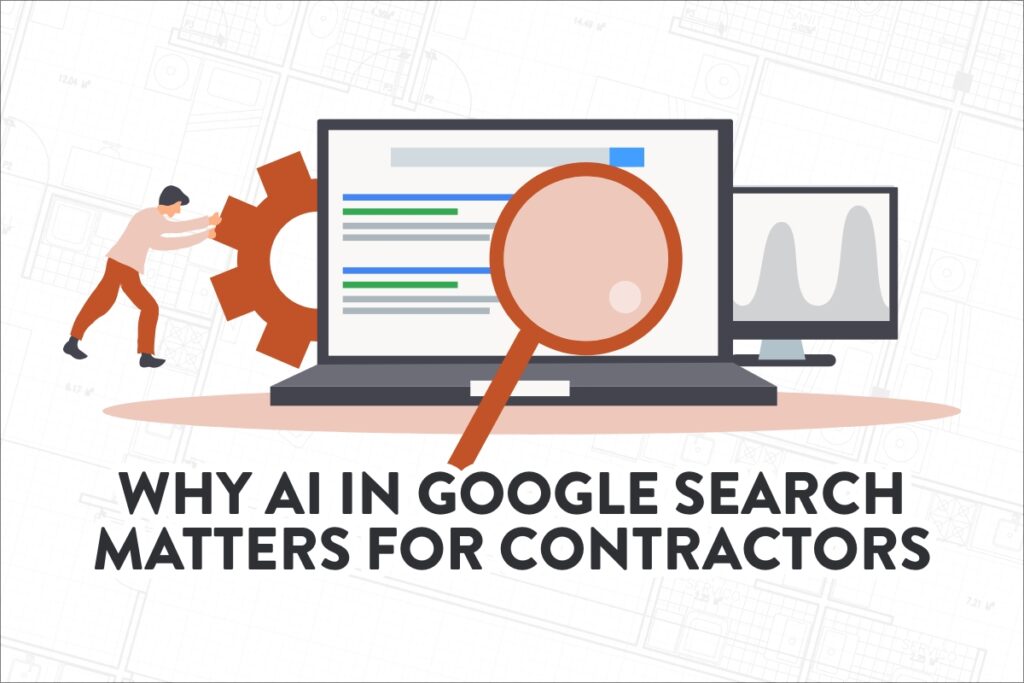
Why AI in Google Search Matters for Contractors
The digital marketing world is changing fast, and if you’re a contractor or home services pro, in 2026, you can’t afford to ignore what’s happening with Google’s AI.
This isn’t just another tech fad.
Google’s latest moves are shaking up how your business shows up online, how you spend your ad dollars, and how homeowners find you. If you want to keep your pipeline full and your phone ringing, you need to understand what’s going on and what to do about it.

Google Ads & AI Overviews In 2026
Google started inserting ads directly into AI-generated search overviews. That prime real estate at the top of the search results? It has gotten crowded, and the rules are changing. Organic results, paid ads, AI summaries: they’re all competing for position. And guess what? You’re not in the driver’s seat.
Google’s pushing advertisers toward their own products like Performance Max campaigns, broad match keywords in AI Max campaigns, and automated bidding. The more you play by their rules, the more control you give up. And if you’re not careful, you’ll find your budget getting chewed up by clicks that don’t turn into leads. Google’s priority is its own ad revenue, not your ROI. You need to be smart, strategic, and trust who you are working with to handle your Google Advertising.
Not all searches are created equal. If you’re throwing money at every keyword that sounds remotely related to your business, you’re lighting cash on fire. Here’s how to break it down:
Top of the funnel
Top of the funnel means people are just starting their journey. They’re gathering information, not looking to hire anyone yet. These are the “how do I…” or “what’s the best…” types of searches. For example:
- “Best crawl space repair method”
- “What roof type is best?”
- “When should I worry about cracks in my basement wall?”
At this stage, homeowners are educating themselves. They’re curious, but they’re not ready to pick up the phone or request a quote.
Bottom of the funnel
Bottom of the funnel is where the action happens. These are the searches from people who know what they want and are ready to hire a pro. Think:
- “Foundation repair contractor near me”
- “Columbus waterproofing company”
- “Schedule crawl space encapsulation”
Here, the intent is clear. They’re looking for a contractor to call, not just information. This is where your marketing dollars should work the hardest because these searches are the ones turning into real leads.
Top vs. Bottom of the Funnel: Understanding How the Homeowner Searches & Where Your Dollars Go
Not all searches are created equal. If you’re throwing money at every keyword that sounds remotely related to your business, you’re lighting cash on fire. Here’s how to break it down:

How To Leverage AI Search Without Wasting Money Overviews In 2026
Here’s the no-nonsense approach: use SEO (search engine optimization) to capture those top- and mid-funnel queries. Build out blogs, FAQs, and resource pages that answer the long, rambling questions homeowners are typing (or speaking) into Google. Meet them early in their research phase. But don’t pay for those clicks. They’re expensive, and they don’t convert.
Save your ad spend for the bottom of the funnel. When someone’s searching for a contractor in their area, that’s when you want to show up at the top, whether it’s through Google Ads, LSAs, or the map pack. That’s where your dollars work hardest.
And don’t just trust Google’s automated strategies to do the thinking for you. Performance Max and broad match campaigns sound great, but they’ll eat your budget alive if you’re not careful. Build audiences from those top-funnel queries for retargeting later, but don’t waste money chasing every curious homeowner who’s just “doing research.”
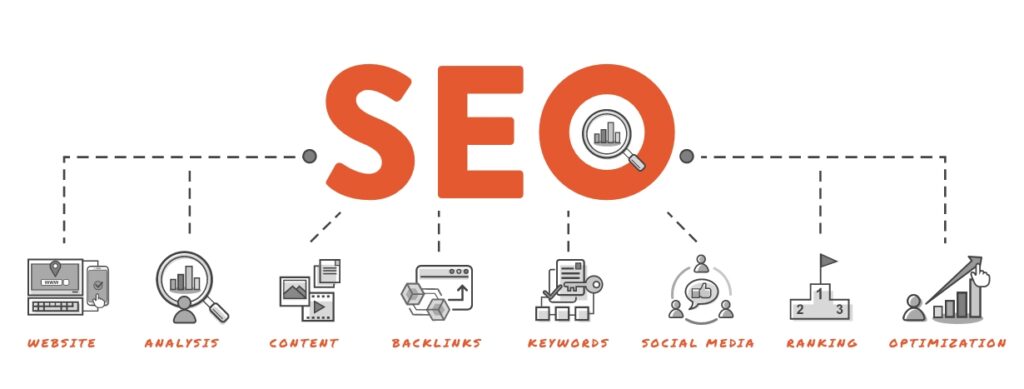
Aligning SEO & Paid Ads for Maximum Impact
SEO is your long game. It’s like planting a garden. It takes time, but it pays off big if you stick with it. SEM (search engine marketing, or paid ads) is your quick win, like grabbing a candy bar at the checkout. Both have their place, but you need to know when to use each:
- Use SEO to answer the big, broad questions. Write content that educates, builds trust, and positions you as the expert. Don’t skimp on this. Google’s AI is hungry for quality content.
- Use SEM for high-intent, short-tail searches in your Google Ads campaigns. When someone’s ready to hire, make sure your ad is the first thing they see.
- Track what matters. Don’t just look at clicks and impressions. Measure calls, appointments, and sales. Use first-party tracking tools like CallRail so you’re not just relying on Google’s numbers.
If you’re running automated campaigns, feed them the right data. Have your agency set up conversion tracking so Google’s AI learns what a real lead looks like, not just what makes their dashboard look pretty.
Building Trust in a Skeptical Market: Winning Over Homeowners
Homeowners are wary. They’ve seen the news stories about contractors who take the deposit and disappear, or the marketing companies that overpromise and underdeliver. If you want to win their business, you need to earn their trust.
That starts with your marketing. Be transparent. Educate, don’t just sell. Address the fears and questions homeowners have before they even pick up the phone. Show them you’re the real deal, not just another company looking to make a quick buck.
Remember, most homeowners don’t want to call a contractor until they absolutely have to. Make it easy for them to get the information they need, feel confident in their decision, and know exactly what to expect when they reach out.
Stay Ahead With Pro Tips
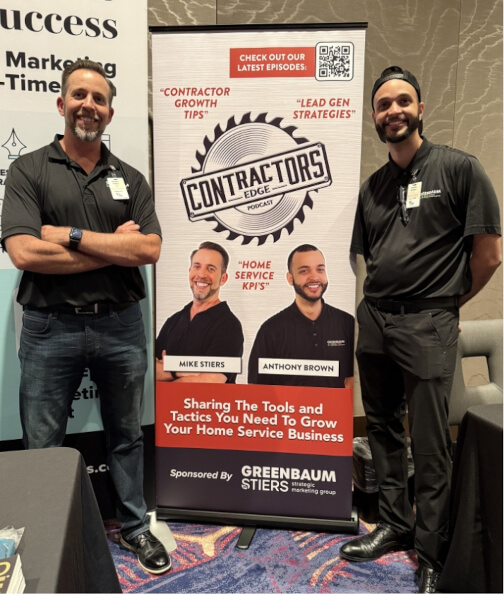
Google’s AI isn’t going away, and the rules of the game are changing fast. If you want to stay ahead, you need to adapt, strategically. Don’t get left behind while your competitors figure this out. Take action now and find the edge you need to win with The Contractors’ Edge Podcast.
No matter how much Google changes the game, we’re playing to win.
Learn more about how contractors can use AI to book more jobs on The Contractors’ Edge podcast: Episode 2.